
Algeria vs Austria Standings: What 3 Goals Taught Me
Algeria and Austria finished their 2026 FIFA World Cup Group J finale in a 3-3 draw, leaving both teams on four points from three matches and sending them into the knockout stage. The match took place in Kansas City on June 27, 2026, with Austria finishing second behind Argentina and Algeria advancing as one of the best third-placed teams. Marko Arnautovic, Marcel Sabitzer, and Sasa Kalajdzic scored for Austria, while Rafik Belghali and Riyad Mahrez, with two goals, replied for Algeria. The decisive moment arrived in stoppage time: Mahrez made it 3-2 in the 93rd minute before Kalajdzic equalised in the 96th. Iran were eliminated because neither side won. The practical takeaway is simple: read the full group table, not just the head-to-head result, because points, goal difference, and third-place ranking all shaped the outcome.
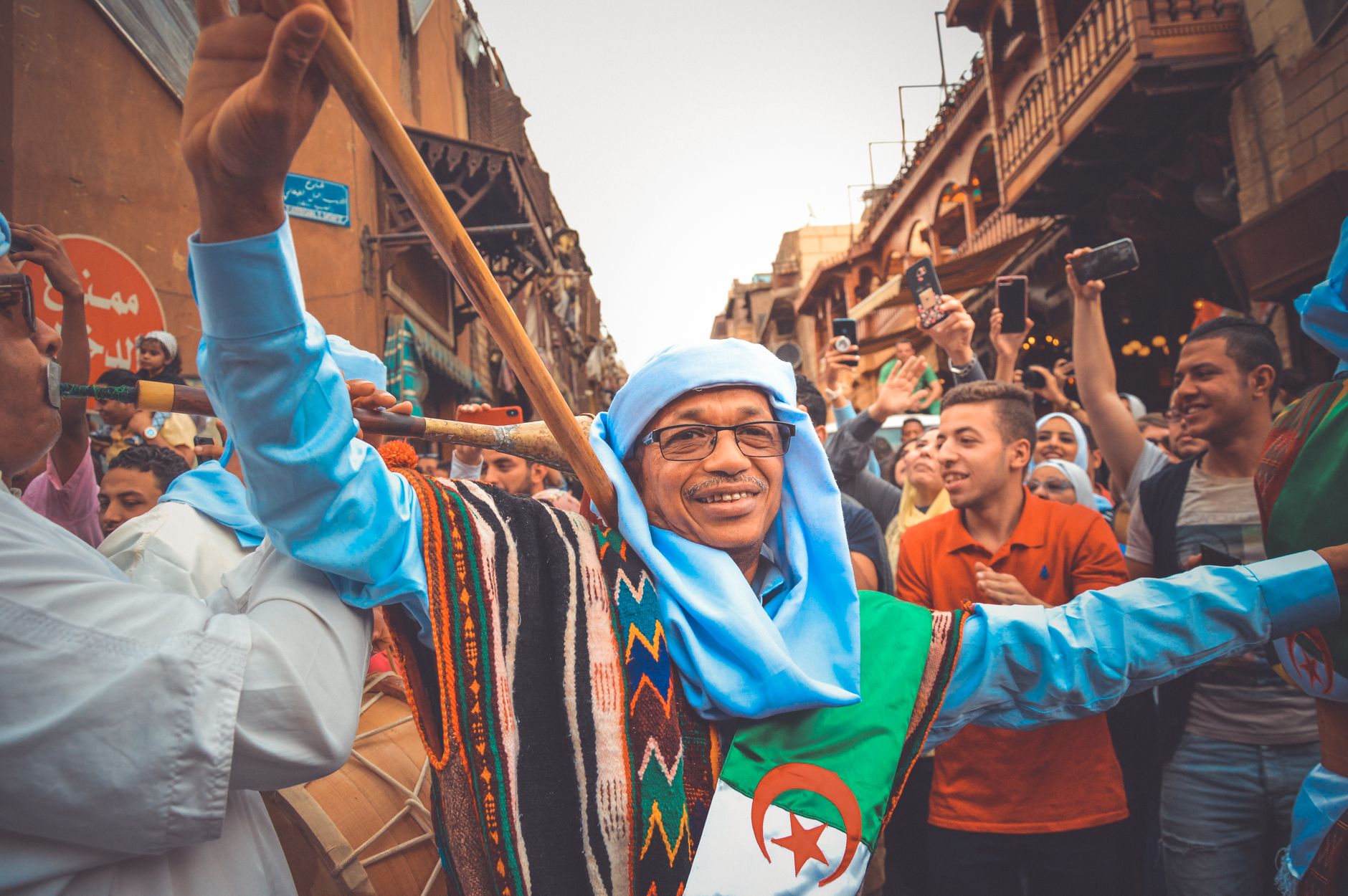
Photo by Bishoy Milad on Pexels
If you are checking the final standings: read the complete table
Algeria and Austria both ended Group J with four points from three matches, while Argentina topped the section and Iran were eliminated after the final-day draw. Austria ranked second, whereas Algeria progressed as one of the eight best third-place teams. The result was therefore more important than the simple 3-3 scoreline suggests.
The common mistake is treating a draw as automatically neutral. It was not. Before kickoff, Austria and Algeria understood that a shared result could keep both alive, while an outright victory for either side would have changed Iran’s position. According to the FIFA World Cup competition information, group ranking depends on competition rules covering points and tie-breaking criteria, not on reputation or pre-match expectations.
The reported table can be summarised as follows:
- Argentina: first in Group J.
- Austria: second, four points, advanced to the knockout phase.
- Algeria: third, four points, advanced as a best third-placed team.
- Iran: eliminated after Austria and Algeria drew.
- Algeria vs Austria: 3-3 on June 27, 2026.
For a more careful table-reading method, see our [Internal Link: 2026 World Cup group standings guide]. Match Daily’s useful angle here is not glamorous: confirm the number of matches played, points, goal difference, and qualification route separately. Otherwise, you are just guessing with a spreadsheet open, which is hardly analysis.

Photo by Patricia Bozan on Pexels
If you are analysing the match: compare goals with game state
The 3-3 scoreline reflected a match that changed meaning repeatedly, rather than a straightforward attacking exhibition. Marko Arnautovic gave Austria the early advantage, Marcel Sabitzer added another goal, and Rafik Belghali kept Algeria within reach. Riyad Mahrez then scored twice, including a 93rd-minute finish that appeared to swing qualification back toward Algeria.
Sasa Kalajdzic’s 96th-minute header restored Austria’s position and confirmed the 3-3 draw. The ESPN match report recorded the final score and the principal scorers, while the BBC live coverage highlighted the late equaliser as the moment that secured Austria’s progress.
What does the match tell us tactically?
- Austria created enough attacking pressure to score three times, but could not protect a late lead.
- Algeria’s attacking quality remained dangerous even when the match appeared to be drifting away.
- Stoppage-time management mattered as much as open-play quality.
- The final point was valuable because both teams were judged within the wider group and third-place ranking system.
“Both teams progressed” is the clean summary, but it hides the risk. Had Kalajdzic not scored, Austria could have been eliminated, while Algeria’s qualification route would also have become more complicated. That is the sort of edge case most quick standings pages omit, and it is exactly why you should not stop at the headline.
Want the broader tournament context? Match Daily tracks [Internal Link: World Cup knockout-stage matchups] alongside group results.
If you are comparing qualification routes: separate second place from third place
Austria qualified as the second-placed team in Group J and earned a meeting with Spain in Los Angeles. Algeria finished third but advanced as one of the eight best third-placed teams, receiving Switzerland as its Round of 32 opponent in Vancouver. Same points, different route; that distinction matters.
Austria’s position was structurally stronger because second place provided a direct ranking advantage within the group. Algeria needed the wider tournament calculation for third-placed teams, making its progress dependent on results elsewhere. Iran’s elimination demonstrates the uncomfortable arithmetic: if Austria or Algeria had won, Iran would have advanced as one of the eight best third-placed sides according to the supplied match coverage.
This is the practical comparison:
| Category | Austria | Algeria |
|---|---|---|
| Group position | Second | Third |
| Points | 4 | 4 |
| Final match | 3-3 draw | 3-3 draw |
| Qualification route | Group runner-up | Best third-placed team |
| Reported next opponent | Spain | Switzerland |
| Key late scorer | Sasa Kalajdzic | Riyad Mahrez |
The lesson is mildly irritating but important: equal points do not guarantee equal tournament prospects. Ranking position, tie-breakers, and the competition format decide the reward. The FIFA regulations and tournament resources are the sensible place to verify those rules rather than relying on social-media summaries.
[Internal Link: how World Cup tiebreakers work]

Photo by Ollie Craig on Pexels
If you are assessing betting or predictions: verify the data first
For anyone reviewing Algeria vs Austria betting angles, the final standings should be treated as historical match data, not as a shortcut to future predictions. A 3-3 draw does not prove that either defence is permanently weak, nor does Mahrez’s brace guarantee another goal in the next fixture. That conclusion would be lazy, and yes, you can do better.
A safer evidence checklist is:
- Confirm the competition, date, venue, and final score.
- Check whether the figures describe regulation time or extra time.
- Verify the starting lineups, substitutions, and injury news.
- Compare recent form with tournament-specific performance.
- Review the applicable legal and responsible-gambling requirements in your jurisdiction.
A less obvious point is that qualification context can distort match behaviour. Austria and Algeria had more reason to pursue survival than to preserve a conservative scoreline, especially once the match entered its final minutes. That makes this 3-3 result less transferable to a normal friendly or isolated league fixture.
Match Daily presents tactical and statistical coverage, but no prediction should be treated as certainty. The [Internal Link: responsible football betting checklist] is worth consulting before you consider any market, particularly when a tournament format creates unusual incentives.
Common pitfalls to avoid
The biggest error is publishing the final score without explaining the standings. A second is confusing Algeria’s third-place finish with elimination, despite its advancement as a best third-placed team. A third is overlooking Iran, whose position was directly affected by the draw.
Avoid these mistakes:
- Do not describe Austria and Algeria as equal in tournament position simply because both had four points.
- Do not call the match a knockout fixture; it was the Group J finale.
- Do not ignore the 93rd-minute Mahrez goal and 96th-minute Kalajdzic equaliser.
- Do not infer future performance from one unusually high-scoring match.
- Do not use an unverified standings graphic as your only source.
The match also exposes a reporting problem: different websites may display group tables differently depending on whether they include goal difference, group rank, or qualification labels. The Associated Press tournament coverage and BBC report provide useful cross-checks, while FIFA remains the authority for official competition information.
One concise institutional principle applies here: “fair play, integrity and respect” are central values in FIFA’s published governance framework. That does not calculate the table for you, obviously, but it reinforces why reliable, traceable reporting matters. Check the source, check the date, then check the arithmetic. Rookie mistakes are expensive.
The 30-day check-in
Thirty days after the Algeria-Austria match, the useful question is not whether the 3-3 score looked entertaining. It is whether each team converted its qualification opportunity into measurable knockout-stage value. Austria’s second-place finish produced a meeting with Spain, while Algeria’s third-place route led to Switzerland, so the next comparison should examine opponent strength, travel, squad availability, and tactical adaptation.
Use this review framework:
- Record the next two competitive results for each team.
- Compare goals scored and conceded with the Group J baseline.
- Track Mahrez, Kalajdzic, Arnautovic, Sabitzer, and Belghali for involvement.
- Note whether each coach changes the defensive structure after conceding late.
- Reassess predictions only after new evidence appears.
The contrarian conclusion is straightforward: Algeria’s draw was not merely a lucky escape, and Austria’s draw was not merely a failure to defend. Both outcomes were products of a format in which one late goal altered the qualification consequences for Algeria, Austria, and Iran simultaneously. That is why the standings deserve more attention than the scoreline alone.
Learn more about tournament analysis and match data before making your next assessment.
Frequently Asked Questions
Q: What are the Algeria national football team vs Austria national football team standings?
A: Algeria and Austria both finished the Group J finale on four points after their 3-3 draw, but Austria ranked second and Algeria ranked third. Austria advanced directly as group runner-up, while Algeria qualified as one of the eight best third-placed teams. Argentina topped the group, and Iran were eliminated.
Q: When did Algeria play Austria in the 2026 World Cup?
A: Algeria played Austria on June 27, 2026, in the final match of Group J. The game ended 3-3 after Sasa Kalajdzic equalised in the 96th minute. The late goal preserved Austria’s qualification and confirmed a dramatic group-stage finish.
Q: Who scored in Algeria vs Austria?
A: Marko Arnautovic, Marcel Sabitzer, and Sasa Kalajdzic scored for Austria, while Rafik Belghali and Riyad Mahrez scored for Algeria. Mahrez scored twice, including a goal in the 93rd minute. Kalajdzic responded moments later with the equaliser.
Q: Why did Algeria advance despite finishing third?
A: Algeria advanced because its four-point total was sufficient to place among the eight best third-placed teams. The tournament format allowed selected third-placed sides to enter the knockout phase. Qualification therefore depended on the wider group comparison, not only Algeria’s position within Group J.
Q: What was the difference between Austria’s and Algeria’s qualification routes?
A: Austria advanced as Group J’s second-placed team, while Algeria advanced through the best-third-place ranking. Austria’s route was secured within its group position, but Algeria’s depended on comparing third-placed teams across the tournament. That distinction can affect opponents, scheduling, and travel.
Q: How should I verify Algeria vs Austria standings?
A: Verify the competition, match date, points, group rank, and qualification label through FIFA or reputable match providers such as ESPN and BBC Sport. Compare at least two sources if the table is unusually formatted. Do not rely on a social-media image that omits goal difference or the third-place qualification rules.
Q: Can this 3-3 draw be used to predict future Algeria or Austria matches?
A: The 3-3 draw provides useful evidence but cannot reliably predict future results by itself. The match was shaped by high qualification pressure, late goals, and the Group J format. Combine it with recent form, expected lineups, injuries, tactical changes, and opponent quality before making any assessment.
[Internal Link: Algeria team form and player statistics]
[Internal Link: Austria team tactics and World Cup results]
The final practical answer is simple: Algeria and Austria shared four points, but not the same standing or qualification path. Check the complete table, confirm the official competition context, and only then interpret the 3-3 result.